Hospitals and shopping malls face unique parking challenges — high traffic, emergency access, and visitor flow. NFC designs smart parking systems tailored to healthcare and retail facilities in Saudi Arabia, with ANPR, priority lanes, and real-time guidance that keep vehicles moving and patients reaching care faster.
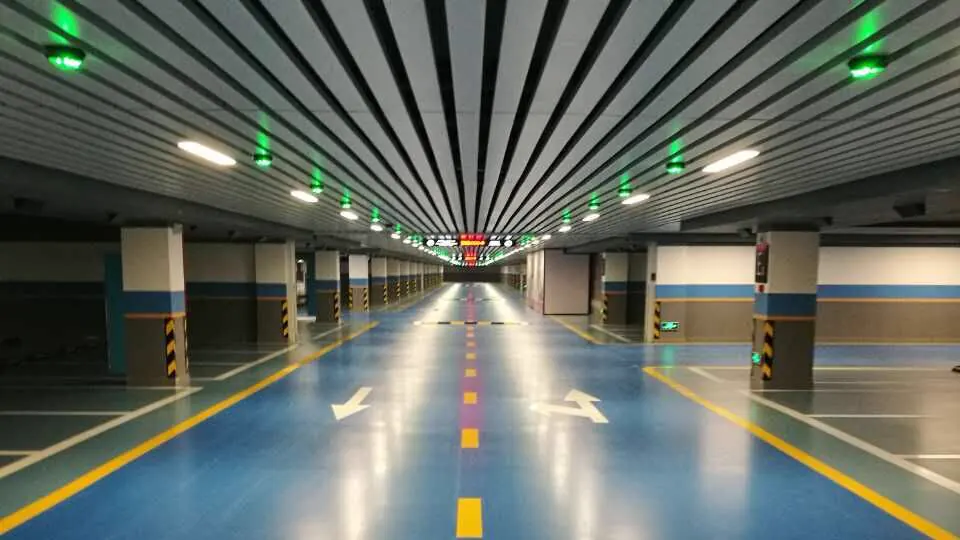
Hospitals and shopping malls are among the facilities that face the most complex parking management challenges. A hospital receives hundreds of patients, visitors, and ambulances daily that need immediate access, while a mall experiences sharp congestion waves during peak hours and holidays. In this article, we explore how NFC (Nujum Al Fanar) designs smart parking systems tailored to these two sectors in Riyadh and across the Kingdom, respecting Saudi regulations and the nature of each facility.
Unlike offices or residential buildings, hospitals and malls require precise traffic management due to high density and diverse users. Any delay at a hospital could affect an emergency arrival, and any congestion at a mall could lose customers. These facilities need systems capable of handling large, variable flows with clear priorities for each user category.
Ambulance lanes must always remain clear. Smart barrier and vehicle recognition systems automatically open the emergency lane for registered ambulances, without any human delay.
Saudi regulations require dedicated accessible parking in healthcare facilities. The smart system monitors these spaces, ensures they are used only by authorized categories, and guides patients directly to them.
Access control allows dedicated staff parking via cards or plate recognition, ensuring permanent spaces for staff without crowding with visitors.
In hospitals, pre-paid electronic payment and ticketless exit reduce congestion at gates during visiting-hour peaks.
Malls experience sharp congestion in evenings and weekends. Smart guidance systems direct drivers straight to available floors and spaces, reducing circulation inside the parking and easing congestion significantly.
For malls with paid parking, the system provides accurate, flexible collection with subscription options and duration-based pricing, plus real-time revenue reports.
The system logs every entry and exit with the vehicle plate and image, providing an accurate security record and deterring theft or trespassing inside the parking.
When a visitor finds a space quickly and exits smoothly, satisfaction and likelihood of return rise — a direct reflection on mall performance.
NFC designs parking systems in compliance with the Saudi Building Code and health and commercial building requirements, including accessible parking allocation, lane organization, and safety requirements. This compliance ensures facility approval by the relevant authorities and avoids violations.
Hospital and mall parking is not just space to park cars, but part of the patient and customer experience and of the facility's efficiency and security. With a purpose-built smart parking system, these spaces turn into a real operational advantage.
Do you manage a hospital or mall and are considering upgrading your parking? Contact NFC for a site study and free consultation tailored to your facility's nature.
Yes, smart barriers are programmed to automatically open the emergency lane for registered ambulances without delay, keeping the lane open around the clock.
Smart guidance systems direct drivers straight to available floors and spaces, reducing circulation inside the parking and easing congestion noticeably.
Yes, the system monitors accessible parking and ensures its use by authorized categories, in compliance with health and commercial building requirements in the Kingdom.
Yes, NFC designs integrated systems linking parking with the surveillance and access control ecosystem within one unified security system.
Yes, we always start with an accurate site study to understand the facility's nature and traffic before recommending the best solution.


 Home
Home
 العربية
 English